
Flies and Flowers II: Floral Attractants and Rewards
DOI:
https://doi.org/10.26786/1920-7603(2014)5Abstract
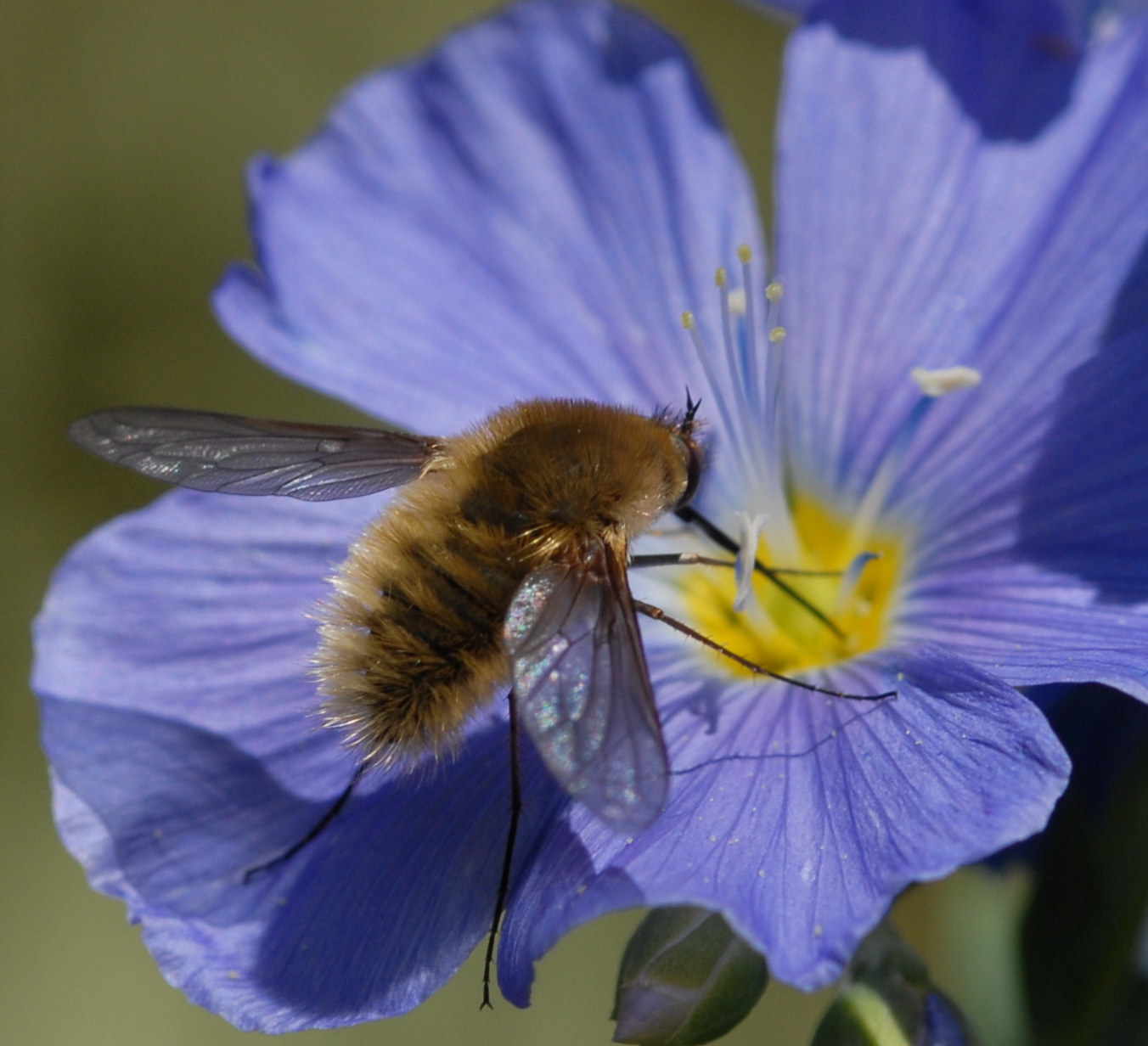
This paper comprises Part II of a review of flower visitation and pollination by Diptera (myiophily or myophily). While Part I examined taxonomic diversity of anthophilous flies, here we consider the rewards and attractants used by flowers to procure visits by flies, and their importance in the lives of flies. Food rewards such as pollen and nectar are the primary reasons for flower visits, but there is also a diversity of non-nutritive rewards such as brood sites, shelter, and places of congregation. Floral attractants are the visual and chemical cues used by Diptera to locate flowers and the rewards that they offer, and we show how they act to increase the probability of floral visitation. Lastly, we discuss the various ways in which flowers manipulate the behaviour of flies, deceiving them to visit flowers that do not provide the advertised reward, and how some flies illegitimately remove floral rewards without causing pollination. Our review demonstrates that myiophily is a syndrome corresponding to elements of anatomical, behavioural and physiological adaptations of flower-visiting Diptera. The bewildering diversity of anthophilous Diptera and of the floral attractants and rewards to which they respond allows for only broad generalizations on myiophily and points to the need for more investigation. Ecological relationships between flies and flowers are critical to the survival of each group in many habitats. We require greater understanding of the significance of flies in pollination, especially in the face of recent pollinator declines.References
Abbott RJ, Irwin JA (1988) Pollinator movements and the polymorphism for outcrossing rate at the ray floret locus in groundsel, Senecio vulgaris L. Heredity 60: 295-298.
Ackerman JD (2000) Abiotic pollen and pollination: ecological, functional, and evolutionary perspectives. Plant Systematics and Evolution 222: 167-185.
Ackerman JD, Mesler MR (1979) Pollination biology of Listera cordata (Orchidaceae). American Journal of Botany 66: 820-824.
Addicott JF (1998) Regulation of mutualism between yuccas and yucca moths: Population level processes. Oikos 81: 119-129
Agee HR, Patterson RS (1983) Spectral sensitivity of stable, face, and horn flies and behavioral responses of stable flies to visual traps (Diptera: Muscidae). Environmental Entomology 12: 1823-1828.
Agnew JD (1976) A case of myophily involving Drosophilidae (Diptera). Journal of South African Botany 42: 85-95.
Agren J, Elmqvist T, Tunlid A (1986) Pollination by deceit, floral sex ratios and seed set in dioecious Rubus chamaemorus L.. Oecologia 70: 332-338.
Alba F, Romero L, Diaz De La Guardia D, Valle F (1995) Analysis of micronutrients in olive pollen. Journal of Plant Nutrition 18: 2247-2259.
Albre J, Quilichini A, Gibernau M (2003) Pollination ecology of Arum italicum (Araceae). Botanical Journal of the Linnean Society 141:205-214.
Aluri RJS (1990) Observations on the floral biology of certain mangroves. Proc. Indian Natn. Sci. Acad. B B56:367-374.
Anderson GJ, Hill JD (2002) Many to flower, few to fruit: the reproductive biology of Hamamelis virginiana (Hamamelidaceae). American Journal of Botany 89:67-78.
Anderson J, Laughlin SB (2000) Photoreceptor performance and the co-ordination of achromatic and chromatic inputs in the fly visual system. Vision Research 40: 13-31.
Anderson B, Johnson SD, Carbutt C (2005) Exploitation of a specialized mutualism by a deceptive orchid. American Journal of Botany 92:1342-1349.
Andersson S (1991) Floral display and pollination success in Achillea ptarmica. Holarctic Ecology 14: 186-191.
Armstrong JA (1979) Biotic pollination mechanisms in the Australian flora - a review. New Zealand Journal of Botany 17:467-508.
Arnold SEJ, Savolainen V, Chittka L (2009) Flower colours along an alpine altitude gradient, seen through the eyes of fly and bee pollinators. Arthropod-Plant Interactions 3:27-43.
Aronne G, Wilcock CC, Pizzolongo P (1993) Pollination biology and sexual differentiation of Osyris alba (Santalaceae) in the Mediterranean region. Plant Systematics and Evolution 188: 1-16.
Arroyo MTK, Primack R, Armesto J (1982) Community studies in pollination ecology in the high temperate Andes of central Chile. I. Pollination mechanisms and altitudinal variation. American Journal of Botany 69: 82-97.
Atluri JB, Ramana SPVR, Subba C (2004) Sexual system and pollination of Sterculia foetida Linn. Beitraege zur Biologie der Pflanzen 73:223-242.
Autrum H, Stumpf H (1953) Elektrophysiologische Untersuchungen über das Farbensehen von Calliphora. Zeitschrift für Vergleichende Physiologie 35:71-104.
Baker HG (1976) “Mistake” pollination as a reproductive system with special reference to the Caricaceae. In: Burley J, Styles BT (eds) Tropical trees: Variation, breeding and conservation. Academic Press, London, pp 161-69.
Baker HG, Baker I (1973a) Amino acids in nectar and their evolutionary significance. Nature 241:543-545.
Baker HG, Baker I (1973b) Some anthecological aspects of the evolution of nectar-producing flowers, particularly amino acid production in nectar. In: Heywood, VH (ed) Taxonomy and ecology. Academic Press, New York, pp 243-264.
Baker HG, Baker I (1983a) A brief historical review of the chemistry of floral nectar. In: Bentley B, Elias T (eds) The biology of nectaries. Columbia University Press, New York, pp 126-152.
Baker HG, Baker I (1983b) Floral nectar sugar constituents in relation to pollinator type. In: Jones CE, Little RJ (eds) Handbook of experimental pollination biology. Van Nostrand Reinhold, New York, pp. 117-41.
Baker HG, Baker I (1986) The occurrence and significance of amino acids in floral nectar. Plant Systematics and Evolution 151:175-186.
Bänziger H (1991) Stench and fragrance: unique pollination lure of Thailand's largest flower, Rafflesia kerrii Meijer. Natural History Bulletin of the Siam Society 39:19-52.
Bänziger H (1996) The mesmerizing wart: the pollination strategy of an epiphytic lady slipper orchid Paphiopedilum villosum (Lindl.) Stein (Orchidaceae). Botanical Journal of the Linnean Society 121:59-90.
Barraclough D, Slotow R (2010) The South African keystone pollinator Moegistorhynchus longirostris (Wiedemann, 1819) (Diptera: Nemestrinidae): notes on biology, biogeography, and proboscis length variation. African Invertebrates 51:397-403.
Barriault I, Barabe D, Cloutier L, Gibernau, M (2010) Pollination ecology and reproductive success in Jack-in-the-pulpit (Arisaema triphyllum) in Quebec (Canada). Plant Biology 12:161-171.
Beaman RS, Decker PJ, Beaman JH (1988) Pollination of Rafflesia (Rafflesiaceae). American Journal of Botany 75:1148-1162.
Bernhardt P (2000) Convergent evolution and adaptive radiation of beetle-pollinated angiosperms. Plant Systematics and Evolution 222:293-320
Bernhardt P, Thien LB (1987) Self-isolation and insect pollination in the primitive angiosperms: new evaluations of older hypotheses. Plant Systematics and Evolution 156:159-176.
Bernhardt P, Sage T, Weston P, Azuma H, Lam M, Thien LB, Bruhl J (2003) The pollination of Trimenia moorei (Trimeniaceae): Floral volatiles, insect/wind pollen vectors and stigmatic self-incompatibility in a basal angiosperm. Annals of Botany 92:445-458.
Bierzychudek P (1987) Pollinators increase the cost of sex by avoiding female flowers. Ecology 68:444-447.
Bischoff M, Campbell DR, Lord JM, Robertson AW (2013) The relative importance of solitary bees and syrphid flies as pollinators of two outcrossing plant species in the New Zealand alpine. Austral Ecology 38:169-176.
Bishop LG (1974) An ultraviolet photoreceptor in a dipteran compound eye. Journal of Comparative Physiology A 91:267-275.
Blanco MA, Barboza G (2005) Pseudocopulatory pollination in Lepanthes (Orchidaceae: Pleurothallidinae) by fungus gnats. Annals of Botany 95:763-772.
Bonvehi JS, Jorda RE (1997) Nutrient composition and microbiological quality of honeybee-collected pollen in Spain. Journal of Agricultural and Food Chemistry 45:725-732.
Borba EL, Semir J (2001) Pollinator specificity and convergence in fly-pollinated Pleurothallis (Orchidaceae) species: a multiple population approach. Annals of Botany 88:75-88.
Borkent CJ, Schlinger EI (2008) Flower-visiting and mating behaviour of Eulonchus sapphirinus (Diptera: Acroceridae). Canadian Entomologist 140:250-256.
Branquart E, Hemptinne JL (2000) Selectivity in the exploitation of floral resources by hoverflies (Diptera: Syrphinae). Ecography 23:732-742.
Brantjes NBM (1981) Ant, bee and fly pollination in Epipactis palustris (L.) Crantz (Orchidaceae). Acta Botanica Neerlandica 30:59-68.
Brantjes NBM, Leemans JAAM (1976) Silene otites (Caryophyllaceae) pollinated by nocturnal Lepidoptera and mosquitoes. Acta Botanica Neerlandica 25:281-295.
Brew AH (1987) The effect of colours and specific features of floral parts on the pollination of cocoa by ceratopogonid midges in Ghana. In: Proceedings of the 10th International Cocoa Research Conference. Santo Domingo, Dominican Republic, Cocoa Producers Alliance, Lagos, Nigeria. pp 307-310.
Briscoe AD, Chittka L (2001) The evolution of color vision in insects. Annual Review of Entomology 46:471-510.
Brody AK (1992) Oviposition choices by a pre-dispersal seed predator (Hylemya sp.). II A psotive association between female choice and fruit set. Oecologia 19:63-67.
Brody AK, Morita SI (2000) A positive association between oviposition and fruit set: female choice or manipulation? Oecologia 124:418-425.
Browne LB (1993) Physiologically induced chnages in resoure-oriented behavior. Annual Review of Entomology 38:1-25.
de Buck N (1990) Bloembezoek en bestuivingsecologie van zweefvliegen (Diptera, Syrphidae) in het bijzonder voor België. Studiedocumenten van het K.B.I.N. 167 pp.
Burgess KS, Singfield J, Melendez V, Kevan PG (2004) Pollination biology of Aristolochia grandiflora (Aristolochiaceae) in Veracruz, Mexico. Annals of the Missouri Botanical Garden 91:346-356.
Cameron RG, Troilo D (1982) Fly-mediated spore disperal in Splachnum ampullaceum (Musci). Michigan Botanist 21:59-65.
Campbell DR, Bischoff, Lord JM, Robertson AW (2010) Flower color influences insect visitation in alpine New Zealand. Ecology 91:2638-2649.
Candy, DJ, Becker A, Wegener G (1997) Coordination and integration of metabolism in insect flight. Comparative Biochemistry and Physiology B 117:497-512.
Casper BB, La Pine TR (1984) Changes in corolla color and other floral characteristics in Cryptantha humilis (Boraginaceae): cues to discourage pollinators? Evolution 38:128-141.
Charlesworth D (1993) Why are unisexual flowers associated with wind pollination and unspecialized pollinators? American Naturalist 141:481-490.
Chapman RF (1998) The Insects: Structure and Function (4th edition). Cambridge University Press, Cambridge, UK.
Chartier M, Pelozuelo L, Giberneau M (2011) Do floral odor profiles geographically vary with the degree of specificity for pollinators? Investigation in two sapromyophilous Arum species (Araceae). Annales de la Société Entomologique de France 47:71-77.
Chase MW, Peacor DR (1987) Crystals of calcium oxalate on the perianth of Stelis Sw. Lindleyana 2:91-94.
Chittka L, Menzel R (1992) The evolutionary adaptation of flower colours and insect pollinators’ colour vision. Journal of Comparative Physiology A 171:171-181.
Chouteau M, Gibernau M, Barabe D (2008) Relationships between floral characters, pollination mechanisms, life forms, and habitats in Araceae. Botanical Journal of the Linnean Society 156:29-42.
Combs JK, Pauw A (2009) Preliminary evidence that the long-proboscid fly, Philoliche gulosa, pollinates Disa karooica and its proposed Batesian model Pelargonium stipulaceum. South African Journal of Botany 75:757-761.
Cooley JR (1995) Floral heat rewards and direct benefits to insect pollinators. Annals of the Entomological Society of America 88:576-579.
Corbet, PS (1972) The microclimate of Arctic plants and animals, on land and in fresh water. Acta Arctica 18:1-43.
Crepet WL (1979) Insect pollination: a palaeontological perspective. BioScience 29: 102-108.
Crosswhite FS, Crosswhite CD (1984) The southwestern pipevine (Aristolochia watsonii) in relation to snakeroot oil, swallowtail butterflies, and ceratopogonid flies. Desert Plants 6: 203-207.
Cruzan MB, Neal PR, Willson MF (1988) Floral display in Phyla incisa: consequences for male and female reproductive success. Evolution 42:505-515.
Dadd RH (1973) Insect nutrition: current developments and metabolic implications. Annual Review of Entomology 18:381-420
Dafni A (1984) Mimicry and deception in pollination. Annual Review of Ecology and Systematics 15: 259-278.
Dafni A, Calder DM (1987) Pollination by deceit and floral mimesis in Thelymitra antennifera (Orchidaceae). Plant Systematics and Evolution 158:11-22.
Dafni A, Giurfa M (1999) The functional ecology of floral guides in relation to insects behaviour and vision. In: Wasser SP (ed) Evolutionary theory and processes: Papers in honour of Eviatar Nevo. Kluwer Academic Publishers, Dordrecht, Netherlands, pp 1-22.
Dafni A, Kevan P (1996) Floral symmetry and nectar guides: ontogenetic constraints from floral development, colour pattern rules and functional significance. Botanical Journal of the Linnean Society 120:371-377.
Dafni A, Werker E (1982) Pollination ecology of Sternbergia clusiana (Ker-Gawler) Spreng. (Amaryllidaceae). New Phytologist 91:571-577.
Dafni A, Ivri Y, Brantjes NBM (1981) Pollination of Serapias vomeracea Briq. (Orchidaceae) by imitation of holes for sleeping solitary male bees (Hymenoptera). Acta Botanica Neerlandica 30:69-73.
Dafni A, Lehrer M, Kevan PG (1997) Spatial flower parameters and insect spatial vision. Biological Reviews 72: 239-282.
Daumann E (1971) Zur Bestäubungsökologie von Aristolochia clematitis L. Preslia 43:105-11.
David JR, Yassin A, Rasamizafi LA, Ravaomanarivo LHR, Debat V (2011) Scratching for food: an original feeding behavior in an African flower breeding Drosophila. Fly 5:285-290.
Dentinger BTM, Roy BA (2010) A mushroom by any other name would smell as sweet: Dracula orchids. McIlvainea 19:1-13.
Despres L (2003) Sex and pollen: the role of males in stabilising a plant-seed eater pollinating mutualism. Oecologia 135:60-66.
Despres L, Jaeger N (1999) Evolution of oviposition strategies and speciation in the globe-flower flies Chiastocheta spp. (Anthomyiidae). Journal of Evolutionary Biology 12:822-831.
Despres L, Pettex E, Plaisance V, Pompanon F (2002) Speciation in the globeflower fly Chiastocheta spp. (Diptera: Anthomyiidae) in relation to host plant species, biogeography, and morphology. Molecular Phylogenetics and Evolution 22:258-268.
Despres L, Ibanez S, Hemborg AM, Godelle B (2007) Geographical and within-population variation in the globeflower-globeflower fly interaction: the costs and benefits of rearing pollinator's larvae. Oecologia 153:69-79.
Dethier VG (1976) The Hungry Fly: A physiological study of the behavior associated with feeding. Harvard University Press, Cambridge MA.
Deyrup MA (1988) Pollen-feeding in Poecilognathus punctipennis (Diptera: Bombyliidae). The Florida Entomologist 71:597-605
Diaz A, Kite GC (2002) A comparison of the pollination ecology of Arum maculatum and A. italicum in England. Watsonia 24:171-181.
Dinkel T, Lunau K (2001) How drone flies (Eristalis tenax L, Syrphidae, Diptera) use floral guides to locate food sources. Journal of Insect Physiology 47:1111-1118.
Disney RHL, Bänziger H (2009) Further records of scuttle flies (Diptera: Phoridae) imprisoned by Aristolochia baenzigeri (Aristolochiaceae) in Thailand. Mitteilungen der Schweizerischen Entomologischen Gesellschaft 82:233-251.
Disney RHL, Sakai S (2001) Scuttle flies (Diptera: Phoridae) whose larvae develop in flowers of Aristolochia (Aristolochiaceae) in Panama. European Journal of Entomology 98:367-373.
Dlusskii GM (2002) Diet of imago in some antophylous Muscidae (Diptera). Zoologichesky Zhurnal 81:825-832.
Dobson HEM (1994) Floral volatiles in insect biology. In: Bernays EA (ed) Insect-plant interactions. Vol V. CRC Press, Boca Raton FL, pp47-81.
Dobson HEM, Bergström G (2000) The ecology and evolution of pollen odors. Plant Systematics and Evolution 222:63-87.
Dodson CH (1962) The importance of pollination in the evolution of the orchids of tropical America. American Orchid Society Bulletin 31:641-735.
Dormer KJ (1960) The truth about pollination in Arum. New Phytologist 59:298-301.
Downer RGH (1978) Functional role of lipids in insects. In: Rockstein M (ed) Biochemistry of Insects. Academic Press, New York, pp 58-92.
Downes JA (1955) The food habits and distribution of Atrichopogon pollinivorus sp. n. (Diptera: Ceratopogonidae). Transactions of the Royal Entomological Society of London 106:439-453.
Downes JA (1958) The feeding habits of biting flies and their significance in classification. Annual Review of Entomology 3:249-266.
Downes JA, Smith SM (1969) New or little known feeding habits in Empididae (Diptera). Canadian Entomologist 101:404-408.
Downes WL, Dahlem GA (1987) Keys to the evolution of Diptera: role of Homoptera. Environmental Entomology 16:847-854.
Drabble E, Drabble H (1927) Some flowers and their dipteran visitors. New Phytologist 26: 115-123.
Dressler RL (1981) The Orchids: Natural History and Classification. Harvard University Press, Cambridge MA.
Du W, Huang LJ, Wang XF (2012) Deceit pollination and the effect of deforestation on reproduction in dioecious Schisandra sphenanthera (Schisandraceae) in central China. Journal of Systematics and Evolution 50:36-44.
Duan JJ, Prokopy RJ (1994) Apple maggot fly response to red spheres in relation to fly age and experience. Entomologia Experimentalis et Applicata 73:279-287.
Duncan G, Ellis AG (2011) Gorteria diffusa Compositae. Curtis's Botanical Magazine 28:341-348.
Eberling H, Oleson JM (1999) The structure of a high latitude plant-flower visitor system: the dominace of flies. Ecography 22:314-323.
Eisikowitch D (1980) The role of dark flowers in the pollination of certain Umbelliferae. Journal of Natural History 14:737-742.
Ellis AG, Johnson SD (2010) Floral mimicry enhances pollen export: the evolution of pollination by sexual deceit outside of the Orchidaceae. The American Naturalist 176:143-151.
Elton C (1966) The Pattern of Animal Communities. Methuen & Co., London UK.
Eltz T, WhittenWM, Roubik DW, Linsenmair KE (1999) Fragrance collection, storage, and accumulation by individual male orchid bees. Journal of Chemical Ecology 25:157-176.
Elvers I (1980) Pollen eating Thricops flies (Diptera, Muscidae) on Arrhenatherum pubescens and some other grasses. Botaniska Notiser 133:49-52.
Endara L, Grimaldi DA, Roy BA (2010) Lord of the Flies: pollination of Dracula orchids. Lankesteriana 10:1-11.
Endress PK (2001) The flowers in extant basal angiosperms and inferences on ancestral flowers. International Journal of Plant Sciences 162:1111-1140.
Erhardt A (1993) Pollination of the Edelweiss, Leontopodium alpinum. Botanical Journal of the Linnean Society 111: 229-240.
Evenhuis NL (1983) Observations on territorality of Oligodranes mitis Cresson (Diptera: Bombyliidae) on flowers of Erigeron neomexicanus (Asteraceae). Entomological News 94:25-28.
Faegri K, van der Pijl L (1979) The principles of pollination ecology (3rd edition). Pergamon Press, New York NY.
Feil JP (1992) Reproductive ecology of dioecious Siparuna (Monimiaceae) in Ecuador-a case of gall midge pollination. Botanical Journal of the Linnean Society 110:171-203.
Fenster CB, Armbruster WS, Wilson P, Dudash MR, Thomson JD (2004) Pollination syndromes and floral specialization. Annual Review of Ecology, Evolution and Systematics 35:375-403,
Ferdy J, Despres L, Godele B (2002) Evolution of mutualism between globeflowers and their pollinating flies. Journal of Theoretical Biology 217:219-234.
Ferrero V, de Vega C, Stafford GI, van Staden J, Johnson SD (2009) Heterostyly and pollinators in Plumbago auriculata (Plumbaginaceae). South African Journal of Botany 75:778-784.
Foster WA (1995) Mosquito nectar feeding and reproductive energetics. Annual Review of Entomology 40:443-474.
Free JB (1993) Insect pollination of crops (2nd edition). Academic Press, London UK.
Freeman BA (1966) Notes on conopid flies including insect host, plant and phoretic relationships (Diptera: Conopidae). Journal of the Kansas Entomological Society 39:123-131.
Freitas L, Sazima M (2003) Daily blooming pattern and pollination by syrphids in Sisyrinchium vaginatum (Iridaceae) in southeastern Brazil. Journal of the Torrey Botanical Society 130:55-61.
Galen C (1983) The ecology of floral scent variation in Polemonium viscosum Nutt. (Polemoniaceae). Ph. D. Dissertation., University of Texas, Austin.
Galen C (1985) Regulation of seed-set in Polemonium viscosum: floral scents, pollination, and resources. Ecology 66:792-797.
Galen C, Kevan PG (1980) Scent and colour, floral polymorphisms and pollination biology in Polemonium viscosum Nutt. American Midland Naturalist 104:281-289.
Galen C, Newport ME (1988) Pollination quality, seed set, and flower traits in Polemonium viscosum: complementary effects of variation in flower scent and size. American Journal of Botany 75:900-905.
Gao JJ (2011) Description of a new species of the Hirtodrosophila limbicostata species complex (Diptera, Drosophilidae) breeding on Impatiens L. flowers. Acta Zootaxonomica Sinica 36:74-79.
Gardener MC, Gillman MP (2002) The taste of nectar-a neglected area of pollination ecology. Oikos 98:552-557.
Gilbert FS (1981) Foraging ecology of hover flies (Diptera:Syrphidae): morphology of the mouthparts in relation to feeding on nectar and pollen in some common urban species. Ecological Entomology 6:245-262.
Gilbert FS (1985a) Diurnal activity patterns in hover flies (Diptera: Syrphidae). Ecological Entomology 10:385-92.
Gilbert FS (1985b) Ecomorphological relationships in hover flies (Diptera: Syrphidae). Proceedings of the Royal Society of London B 224:92-105.
Giurfa M, Vorobyev M, Kevan PG, Menzel R (1996) Detection of colored stimuli by honey bees: minimum visual angles and receptor specific contrasts. Journal of Comparative Physiology A 178:699-709.
Goldblatt P, Manning JC (2000) The long-proboscid fly pollinastion system in southern Africa. Annals of the Missouri Botanical Garden 87:146-170.
Goldblatt P, Manning JC (2007a) Floral biology of Babiana (Iridaceae: Crocoideae): Adaptive floral radiation and pollination. Annals of the Missouri Botanical Garden 94:709-733.
Goldblatt P, Manning JC (2007b) Pollination of Romulea syringodeoflora (Iridaceae: Crocoideae) by a long-proboscid fly, Prosoeca sp (Diptera : Nemestrinidae). South African Journal of Botany 73:56-59.
Goldblatt P, Manning JC, Bernhardt P (1997) Notes on the pollination of Gladiolus brevifolius (Iridaceae) by bees (Anthophoridae) and bee mimicking flies (Psilodera: Acroceridae). Journal of the Kansas Entomological Society 70:297-304.
Goldblatt P, Manning JC, Bernhardt, P (2001) Radiation of pollination systems in Gladiolus (Iridaceae : Crocoideae) in southern Africa. Annals of the Missouri Botanical Garden 88:713-734.
Goldblatt P., Bernhardt P, Vogan P, Manning JC (2004) Pollination by fungus gnats (Diptera: Mycetophilidae) and self-recognition sites in Tolmiea menziesii (Saxifragaceae). Plant Systematics and Evolution 244:55-67.
Goldblatt P, Manning JC, Bernhardt P (2005) Observations on the floral biology of Melasphaerula (Iridaceae: Crocoideae): is this monotypic genus pollinated by march flies (Diptera: Bibionidae)? Annals of the Missouri Botanical Garden 92:268-274.
Goldblatt P, Bernhardt P, Manning JC (2009) Adaptive radiation of the putrid perianth: Ferraria (Iridaceae: Irideae) and its unusual pollinators. Plant Systematics and Evolution 278:53-65.
Golding, YC, Sullivan MS, Sutherland JP (1999) Visits to manipulated flowers by Episyrphus balteatus (Diptera: Syrphidae): partitioning the signals of petals and anthers. Journal of Insect Behavior 12:39-46.
Goodrich KR, Zjhra ML, Ley CA, Raguso RA (2006) When flowers smell fermented: the chemistry and ontogeny of yeasty floral scent in pawpaw (Asimina triloba: Annonaceae). International Journal of Plant Sciences 167:33-46.
Goot VS van der, Grabandt RAJ (1970) Some species of the genera Melanostoma, Platycheirus and Pyrophaena (Diptera: Syrphidae) and their relation to flowers. Entomologische Berichte 30:135-143.
Gori DF (1983) Post-pollination phenomena and adaptive floral changes. In: Jones CE, Little RJ (eds) Handbook of experimental pollination biology. Van Nostrand Reinhold, New York NY, pp31-49.
Goto R, Yamakoshi G, Matsuzawa T (2012) A novel brood-site pollination mutualism?: the root holoparasite Thonningia sanguinea (Balanophoraceae) and an inflorescence-feeding fly in the tropical rainforests of West Africa. Plant Species Biology 27:164-169.
Gottsberger G (1974) The structure and function of the primitive angiosperm flower-a discussion. Acta Botanica Neerlandica 23:461-471.
Gottsberger G, Meinke S, Porembski S (2011) First records of flower biology and pollination in African Annonaceae: Isolona, Piptostigma, Uvariodendron, Monodora and Uvariopsis. Flora 206:498-510.
Goulson D, Wright NP (1998) Flower constancy in the hoverflies Episyrphus balteatus (Degeer) and Syrphus ribesii (L.). Behavioral Ecology 9:213-219.
Greco C, Kevan PG (1994) Contrasting patch choosing by anthophilous ambush predators: vegetation and floral cues for decisions by a crab spider (Misumena vatia) and males and females of an ambush bug (Phymata americana). Canadian Journal of Zoology 72:1583-1588.
Grimaldi D (1999) The co-radiations of pollinating insects and angiosperms in the cretaceous. Annals of the Missouri Botanical Garden 86:373-406.
Grimstad PR, DeFoliart GR (1974) Nectar sources of Wisconsin mosquitoes. Journal of Medical Entomology 11:331-341.
Hall DW, Brown BV (1993) Pollination of Aristolochia littoralis (Aristolochiales: Aristolochiaceae) by males of Megaselia spp. (Diptera: Phoridae). Annals of the Entomological Society of America 86:609-613.
Hansen K (1978) Insect chemoreception. In: Hazelbauer GL (ed) Taxis and behavior. J. Wiley, New York NY, pp 233-292.
Hansen DM, Van der Niet T, Johnson SD (2012) Floral signposts: testing the significance of visual 'nectar guides' for pollinator behaviour and plant fitness. Proceedings of the Royal Society B 279:634-639.
Hanson FE (1987) Chemoreception in the fly. In Chapman RF, Bernays EA, Stoffolano JG (eds) Perspectives in Chemoreception and Behaviour. Springer Verlag, Berlin, Heidelberg, New York. pp99-122.
Hansson BS, Knaden M, Sachse S, Stensmyr MC, Wicher D (2010) Towards plant-odor-related olfactory neuroethology in Drosophila. Chemoecology 20:51-61.
Hardie RC (1979) Electrophysiological analysis of fly retina. I: Comparative properties of R 1-6 and R7 and 8. Journal of Comparative Physiology 129:19-33.
Haslett JR (1983) A photographic account of pollen digestion by adult hover flies. Physiological Entomology 8:67-171.
Haslett JR (1989a) Adult feeding by holometabolous insects: pollen and nectar as complementary nutrient sources for Rhingia campestris (Diptera: Syrphidae). Oecologia 81:361-363.
Haslett JR (1989b) Interpreting patterns of resource utilization: randomness and selectivity in pollen feeding by adult hover flies. Oecologia 78:433-442.
Haslett JR, Entwistle PF (1980) Further notes on Eriozona syrphoides (Fall.) (Diptera, Syrphidae) in Hafren Forest, mid-Wales. Entomologist's Monthly Magazine 116:36.
Healy TP, Jepson PC (1988) The location of floral nectar sources by mosquitoes: the long-range responses of Anopheles arabiensis Patton (Diptera: Culicidae) to Achillea millefolium flowers and isolated floral odour. Bulletin of Entomological Research 78:651-657.
Heiduk A, Brake I, Tolasch T, Frank J, Jurgens A, Meve U, Dotterl S (2010) Scent chemistry and pollinator attraction in the deceptive trap flowers of Ceropegia dolichophylla. South African Journal of Botany 76:762-769.
Herrera CM (1996) Floral traits and plant adaptation to insect pollinators: a devil’s advocate approach. In: Lloyd DG, Barrett SCH (eds) Floral biology: Studies on floral evolution in animal-pollinated plants. Chapman & Hall, New York NY, pp 65-87.
Hickman, JM, Loevei GL, Wratten SD (1995) Pollen feeding by adults of the hoverfly Melanostoma fasciatum (Diptera: Syrphidae). New Zealand Journal of Zoology 22:387-392.
Hipolito J, Viana BF, Selbach-Schnadelbach A, Galetto L, Kevan PG (2012) Pollination biology and genetic variability of a giant perfumed flower (Aristolochia gigantea Mart. & Zucc.-Aristolochiaceae) visited mainly by small Diptera. Botany 90:815-829.
Hobby BM, Smith KGV (1961) The bionomics of Empis tessellata F. (Diptera: Empididae). Entomologist's Monthly Magazine 97:2-10.
Hocking B (1953) The intrinsic range and flight speed of insects. Transactions of the Royal Entomological Society of London 104:223-345.
Hocking B (1968) Insect-flower associations in the High Arctic with special reference to nectar. Oikos 19:359-88.
Hocking B, Sharplin CD (1965) Flower basking by Arctic insects. Nature 206:15.
Holloway BA (1976) Pollen-feeding in hover-flies (Diptera: Syrphidae). New Zealand Journal of Zoology 3:339-350.
Humeau L, Micheneau C, Jacquemyn H, Gauvin-Bialecki A, Fournel J, Pailler T (2011) Sapromyiophily in the native orchid, Bulbophyllum variegatum, on Reunion (Mascarene Archipelago, Indian Ocean). Journal of Tropical Ecology 27:591-599.
Ibanez S, Doetterl S, Anstett MC, Baudino S, Caissard JC, Gallet C, Despres L (2010) The role of volatile organic compounds, morphology and pigments of globeflowers in the attraction of their specific pollinating flies. New Phytologist 188:451-463.
Ilse D (1949) Colour discrimination in the dronefly, Eristalis tenax. Nature 163:255-256.
Inouye DW (1980) The terminology of floral larceny. Ecology 61:1251-1253.
Inouye DW, Pyke GH (1988) Pollination biology in the Snowy Mountains of Australia: comparisons with montane Colorado, USA. Australian Journal of Ecology 13:191-210.
Inouye DW, Taylor OR (1979) A temperate region plant-ant-seed predation system: consequences of extrafloral nectar secretion by Helianthella quinquenervis. Ecology 60:1-7.
Irvin NA, Wratten SD, Frampton CM, Bowie MH, Evans AM, Moar NT (1999) The phenology and pollen feeding of three hover fly (Diptera: Syrphidae) species in Canterbury, New Zealand. New Zealand Journal of Zoology 26:105-115.
Ivri Y, Dafni A (1977) The pollination ecology of Epipactis consimilis Don (Orchidaceae) in Israel. New Phytologist 79:173-177.
Jepson PC, Healy TP (1988) The location of floral nectar sources by mosquitoes: an advanced bioassay for volatile plant odours and initial studies with Aedes aegypti (L.) (Diptera: Culicidae). Bulletin of Entomological Research 78:641-650.
Jersakova J, Johnson SD (2006) Lack of floral nectar reduces self-pollination in a fly-pollinated orchid. Oecologia 147:60-68.
Jhumur US, Dotterl S, Jurgens A (2006) Naive and conditioned responses of Culex pipiens pipiens biotype molestus (Diptera: Culicidae) to flower odors. Journal of Medical Entomology 43:1164-1170.
Jhumur US, Dotterl S, Jurgens A (2008) Floral odors of Silene otites: Their variability and attractiveness to mosquitoes. Journal of Chemical Ecology 34:14-25.
Johnson SD (2000) Batesian mimicry in the non-rewarding orchid Disa pulchra, and its consequences for pollinator behaviour. Biological Journal of the Linnean Society 71:119-132.
Johnson SD (2006) Pollination by long-proboscid flies in the endangered African orchid Disa scullyi. South African Journal of Botany 72:24-27.
Johnson, SD, Dafni A (1998) Response of bee-flies to the shape and pattern of model flowers: implications for floral evolution in a Mediterranean herb. Functional Ecology 12:289-297.
Johnson SD, Jurgens A (2010) Convergent evolution of carrion and faecal scent mimicry in fly-pollinated angiosperm flowers and a stinkhorn fungus. South African Journal of Botany 76:796-807.
Johnson SD, Midgley JJ (1997) Fly pollination of Gorteria diffusa (Asteraceae), and a possible mimetic function for dark spots on the capitulum. American Journal of Botany 84:429-436.
Johnson SD, Morita S (2006) Lying to Pinocchio: floral deception in an orchid pollinated by long-proboscid flies. Botanical Journal of the Linnean Society 152:271-278.
Johnson SD, Steiner KE (1995) Long-proboscid fly pollination of two orchids in the Cape Drakensberg mountains, South Africa. Plant Systematics and Evolution 195:169-175.
Johnson SD, Steiner KE (1997) Long-tongued fly pollination and evolution of floral spur length in the Disa draconis complex (Orchidaceae). Evolution 51:45-53.
Johnson SD, Steiner K (2000) Generalization versus specialization in plant pollination systems. Trends in Ecology and Evolution 15:140-143.
Johnson SD, Alexandersson R, Linder HP (2003) Experimental and phylogenetic evidence for floral mimicry in a guild of fly-pollinated plants. Biological Journal of the Linnean Society 80:289-304.
Jones, CJ, Milne DE, Patterson RS, Schreiber ET, Milio JA (1992) Nectar feeding by Stomoxys calcitrans (Diptera: Muscidae): effects of reproduction and survival. Environmental Entomology 21:141-147.
Kastinger C, Weber A (2001) Bee-flies (Bombylius spp., Bombyliidae, Diptera) and the pollination of flowers. Flora 196:3-25.
Kato, M, Inoue T, Nagamitsu T (1995) Pollination biology of Gnetum (Gnetaceae) in a lowland mixed dipterocarp forest in Sarawak. American Journal of Botany 82:862-868.
Kato M, Inoue T (1994) Origin of insect pollination. Nature 368:195.
Kay QON (1976) Preferential pollination of yellow-flowered morphs of Raphanus raphanistrum by Pieris and Eristalis spp. Nature (London) 261:230-232.
Kay QON (1978) The role of preferential and assortative pollination in the maintenance of flower colour polymorphisms. In: Richards AJ (ed) The pollination of flowers by insects. Symposium of the Linnean Society of London No. 6. Academic Press, New York NY, pp 175-190.
Kearns CA (1992) Anthophilous fly distribution across an elevation gradient. American Midland Naturalist 127:172-182.
Kearns CA, Inouye DW (1994) Fly pollination of Linum lewisii (Linaceae). American Journal of Botany 81:1091-1095.
Kelber A (2001) Receptor based models for spontaneous colour choices in flies and butterflies. Entomologia Experimentalis et Applicata 99:231-244.
Kelber A, Vorobyev M, Osorio D (2003) Animal colour vision-behavioural tests and physiological concepts. Biological Reviews 78:81-118.
Kevan PG (1970) High arctic insect-flower relations: the inter-relationships of arthropods and flowers at Lake Hazen, Ellesmere Island, Northwest Territories, Canada. Ph. D. Dissertation. Department of Entomology, University of Alberta, Edmonton, Alberta, Canada.
Kevan PG (1972a) Heliotropism in some Arctic flowers. Canadian Field-Naturalist 86:41-44.
Kevan PG (1972b) Insect pollination of High Arctic flowers. Journal of Ecology 60:831-867.
Kevan PG (1973) Flowers, insects and pollination ecology in the Canadian high arctic. Polar Record 16:667-674.
Kevan PG (1975) Sun-tracking solar furnaces in high arctic flowers: significance for pollination and insects. Science 189:723-726.
Kevan PG (1989) Thermoregulation in arctic insects and flowers: adaptation and co-adaptation in behaviour, anatomy, and physiology. In: Mercer JB (ed) Thermal physiology: Proceedings of the international symposium on thermal physiology, Tromso, Norway, 16-21 July, 1989. Excerpta Medica, New York NY, pp 747-753.
Kevan PG (2007) Diaheliotaxis and ombrophobia in an anthophilous high arctic midge, Smittia velutina (Lundbeck, 1898) (Chironomidae). Chironomus 20:29-31.
Kevan PG, Backhaus WGK (1998) Color vision: ecology and evolution in making the best of the photic environment. In: Backhaus WGK, Kleigl R, Werner JS (eds) Color vision: Perspectives from different disciplines. W. de Gruyter, New York NY, pp163-183.
Kevan PG, Baker HG (1983) Insects as flower visitors and pollinators. Annual Review of Entomology 28:407-453.
Kevan PG, Baker HG (1999) Insects on flowers: pollination and floral visitations. In: Huffaker CB Gutierrez A (eds) Ecological entomology. J. Wiley & Sons, New York NY, pp 553-584.
Kevan PG, Greco CF (2001) Contrasting patch choice between immature ambush predators, a spider (Misumena vatia) and an insect (Phymata americana). Ecological Entomology 26:148-153.
Kevan PG, Lane MA (1985) Flower petal microtexture is a tactile cue for bees. Proceedings of the National Academy of Sciences U SA 82:4750-4752.
Kevan, PG, Chaloner WG, Savile DBO (1975) Interrelationships of early terrestrial arthropods and plants. Palaeontology 18 (Part 2):391-417.
Kevan PG, Eisikowitch D, Ambrose JD, Kemp JR (1990) Cryptic dioecy and insect pollination in Rosa setigera Michx. (Rosaceae), a rare plant of Carolinian Canada. Biological Journal of the Linnean Society 40:229-243.
Kevan PG, Chittka L, Dyer AG (2001) Limits to the salience of ultraviolet: lessons from colour vision in bees and birds. Journal of Experimental Biology 204:2581-2587.
Knight GH (1967) Observations on the behaviour of Bombylius major L. and B. discolor Mik. (Dipt., Bombyliidae) in the midlands. Entomologist's Monthly Magazine 103:177-181.
Knoll F (1921) Bombylius fuliginosus und die Farbe der Blumen (Insekten und Blumen I). Abhandlungen der Zoologisch-Botanischen Gesellschaft in Wien 12:17-119.
Knoll F (1926) Die Arum-Blütenstände und ihre Besucher. Abhandlungen der Zoologisch-Botanischen Gesellschaft in Wien 12:379-481.
Knudsen JT, Eriksson R, Gershenzon J, Stahl B (2006) Diversity and distribution of floral scent. The Botanical Review 72:1-120.
Knuth P. (1906-1909) Handbook of flower pollination. 3 Vol. (Transl. by J. R. Ainsworth Davis). Oxford University Press, Oxford UK.
Knutson RM (1974) Heat production and temperature regulation in eastern Skunk Cabbage. Science 186:746-747.
Knutson RM (1979) Plants in heat. Natural History 88:42-47.
Koponen A (1990) Entomophily in the Splachnaceae. Botanical Journal of the Linnean Society 104:115-127.
Kotze MJ, Jurgens A, Johnson SD, Hoffmann JH (2010) Volatiles associated with different flower stages and leaves of Acacia cyclops and their potential role as host attractants for Dasineura dielsi (Diptera. Cecidomyiidae). South African Journal of Botany 76:701-709.
Krannitz PG (1996) Reproductive biology of Dryas integrifolia in the high arctic semi-desert. Canadian Journal of Botany 74:1451-1460.
Krenn HW, Plant JD, Szucsich NU (2005) Mouthparts of flower-visiting insects. Arthropod Structure and Development 34:1-40.
Kudo G (1995) Ecological significance of flower heliotropism in the spring ephemeral Adonis ramosa (Ranunculaceae). Oikos 72:14-20.
Kugler H (1950) Der Blütenbesuch der Schlammfliege (Eristalomyia tenax). Zeitschrift für Vergleichende Physiologie 32:328-347.
Kugler H (1951) Blütenökologische Untersuchungen mit Goldfliegen (Lucilien). Berichte der Deutschen Botanischen Gesellschaft 64:327-341.
Kugler H (1956) Über die optische Wirkung von Fliegenblumen auf Fliegen. Berichte der Deutschen Botanischen Gesellschaft 69:387-398.
Kugler H (1963) UV-Musterungen auf Blüten und ihre Zustandekommen. Planta 59:296-329.
Kugler H (1970) Blütenökologie. G. Fischer Verlag, Stuttgart, Germany.
Labandeira CC (1997) Insect mouthparts: ascertaining the paleobiology of insect feeding strategies. Annual Review of Ecology and Systematics 28:153-193.
Labandeira CC (1998) How old is the flower and the fly? Science 280:57-59.
Lack AJ, Diaz A (1991) The pollination of Arum maculatum L.-a historical review and new observations. Watsonia 18:333-342.
Lamarck JB (1777) Flore française, ou, Descriptions succinctes de toutes les plantes qui croissent naturellement en France, disposées selon une novelle méthode d'analyse, et précédées par un exposé des principes élémentaires de la botanique. Desray, Paris, France.
Lamborn E, Ollerton J (2000) Experimental assessment of the functional morphology of infloresceneces of Daucus carota (Apaiaceae): testing the ‘fly catcher effect’. Functional Ecology 14:445-454.
Land MF (1997) Visual acuity in insects. Annual Review of Entomology 42:147-177.
Larson BMH, Kevan PG, Inouye DW (2001) Flies and flowers: taxonomic diversity of anthophiles and pollinators. Canadian Entomologist 133:439-465.
Larson L, Foote BA (1997) Biology of four species of Notiphila Fallén (Diptera: Ephydridae) associated with the yellow water lily, Nuphar luteum (Nymphaeaceae). Proceedings of the Entomological Society of Washington 99:541-559.
Laubertie EA, Wratten SD, Sedcole JR (2006) The role of odour and visual cues in the pan-trap catching of hoverflies (Diptera: Syrphidae). Annals of Applied Biology 148: 173-178.
Leereveld H (1982) Anthecological relations between reputedly anemophilous flowers and syrphid flies. III. Worldwide survey of crop and intestine contents of certain anthophilous syrphid flies. Tijdschrift voor Entomologie 125:25-35.
Leereveld H (1984) Anthecological relations between reputedly anemophilous flowers and syrphid flies. VI. Aspects of the anthecology of Cyperaceae and Sparganium erectum L. Acta Botanica Neerlandica 33:475-482.
Leereveld H, Meeuse ADJ, Stelleman P (1976) Anthecological relations between reputedly anemophilous flowers and syrphid flies. II. Plantago media L. Acta Botanica Neerlandica 25:205-211.
Leereveld H, Meeuse ADJ, Stelleman P (1991) Some cases of visiting of anemophiles by syrphid flies in Madagascar. Israel Journal of Botany 40:219-223.
Levesque CM, Burger JF (1982) Insects (Diptera, Hymenoptera) associeted with Minuartia groenlandica (Caryophyllaceae) on Mount Washington, New Hampshire, U. S. A., and their possible role as pollinators. Arctic and Alpine Research 14:117-124.
Li YQ, Zhang DX (2007) Fly pollination of Antidesma montanum (Euphorbiaceae) in Hainan, China. Acta Phytotaxonomica Sinica 45:217-226.
Liebermann A (1925) Korrelation zwischen den antennalen Geruchsorganen und der Biologie der Musciden. Zeitschrift für Morphologie und Ökologie der Tiere 5:1-97.
Linskens HF, Schrauwen J (1969) The release of free amino acids from germinating pollen. Acta Botanica Neerlandica 18:605-614.
Lunau K (1996) Unidirectionality of floral colour changes. Plant Systematics and Evolution 200:125-140.
Lunau K (2000) The ecology and evolution of visual pollen signals. Plant Systematics and Evolution 222:89-111.
Lunau K (2004) Adaptive radiation and coevolution – pollination biology case studies. Organisms, Diversity and Evolution 4:207-224.
Lunau K (2007) Stamens and mimic stamens as components of floral colour patterns. Botanische Jahrbuecher fuer Systematik Pflanzengeschichte und Pflanzengeographie 127:13-41.
Lunau K, Maier EJ (1995) Innate colour preferences of flower visitors. Journal of Comparative Physiology A 177:1-19.
Lunau K, Wacht S (1994) Optical releasers of the innate proboscis extension in the hoverfly Eristalis tenax L. (Syrphidae, Diptera). Journal of Comparative Physiology A 174:575-579.
Lunau K, Hoffman N, Valentin S (2005) Response of the hoverfly species Eristalis tenax towards floral dot guides with colour transition from red to yellow (Diptera: Syrphidae). Entomologia Generalis 27:249-256.
Lunau K, Papiorek S, Eltz T, Sazima M (2011) Avoidance of achromatic colours by bees provides a private niche for hummingbirds. Journal of Experimental Biology 214:1607-1612.
Luo SX, Chaw SM, Zhang DX, Renner SS (2010) Flower heating following anthesis and the evolution of gall midge pollination in Schisandraceae. American Journal of Botany 97:1220-1228.
Luzar N, Gottsberger G (2001) Flower heliotropism and floral heating of five alpine plant species and the effect of flower visiting in Ranunculus montanus in the Austrian alps. Arctic, Antarctic and Alpine Research 33:93-99.
Maier CT (1978) The immature stages and biology of Mallota posticata (Fabricius) (Diptera: Syrphidae). Proceedings of the Entomological Society of Washington 80:424-440.
Maier CT (1982) Larval habitats and mate-seeking sites of flower flies (Diptera: Syrphidae, Eristalinae). Proceedings of the Entomological Society of Washington 84:603-609.
Maier CT, Waldbauer GP (1979) Dual mate-seeking strategies in male syrphid flies (Diptera: Syrphidae). Annals of the Entomological Society of America 72:54-61.
McDonald DJ, van der Walt JJA (1992) Observations on the pollination of Pelargonium tricolor, section Campylia (Geraniaceae). Journal of South African Botany 58:386-392.
Meeuse BJD (1966) Production of volatile amines and skatoles at anthesis in some arum lily species. Plant Physiology 41:343-347.
Meeuse BJD (1978) The physiology of some sapromyophilous flowers. In: Richards AJ (ed) The pollination of flowers by insects. Symposium of the Linnean Society of London No. 6. Academic Press, New York NY, pp 175-190.
de Meillon B, Wirth WW (1989) A new pollen feeding Atrichopogon midge from Madagascar, with notes on closely related subsaharan species (Diptera: Ceratopogonidae). Revue Française d’Entomologie 11:85-89.
Menzel R, Backhaus WGK (1991) Colour vision in insects. In: Gouras P (ed) Vision and visual dysfunction: The perception of colour. Macmillan Press, London UK, pp 268-288.
Menzel R, Shmida A (1993) The ecology of flower colours and the natural colour vision of insect pollinators: the Israeli flora as a case study. Biological Reviews of the Cambridge Philosophical Society 68:81-120.
Mesler MR, Ackerman JD, Lu KL (1980) The effectiveness of fungus gnats as pollinators. American Journal of Botany 67:564-567.
Mesler MR, Lu KL (1993) Pollination biology of Asarum hartwegii (Aristolochiaceae): an evaluation of Vogel's mushroom-fly hypothesis. Madroño 40:117-125.
Meve U, Liede S (1994) Floral biology and pollination in stapeliads – new results and a literature review. Plant Systematics and Evolution 192:99-116.
Miyake T, Yafuso M (2003) Floral scents affect reproductive success in fly-pollinated Alocasia odora (Araceae). American Journal of Botany 90:370-376.
Miyake T, Yafuso M (2005) Pollination of Alocasia cucullata (Araceae) by two Colocasiomyia flies known to be specific pollinators for Alocasia odora. Plant Species Biology 20:201-208.
Moller AP (2000) Developmental stability and pollination. Oecologia 123:149-157.
Moodie GEE (1976) Heat production and pollination in Araceae. Canadian Journal of Botany 54:545-546.
Moring J (1978) Spectral sensitivity of monopolar neurons in the eye of Calliphora. Journal of Comparative Physiology A 123:335-338.
Morse DH (1981) Interactions among syrphid flies and bumblebees on flowers. Ecology 62:81-88.
Morse DH (1986) Predatory risk to insects foraging at flowers. Oikos 46:223-228.
Morse DH, Fritz RS (1989) Milkweed pollinia and predation risk to flower-visting insects by the crab spider Misumena vatia. American Midland Naturalist 121:188-193.
Motten AF, Campbell DR, Alexander DE, Miller HL (1981) Pollination effectiveness of specialist and generalist visitors to a North Carolina population of Claytonia virginica. Ecology 62:1278-1287.
Müller H (1881) Die Alpenblumen: ihre Befruchtung durch Insekten und ihre Anpassungen an dieselben. W. Englemann, Leipzig, Germany.
Murugan R, Shivanna KR, Rao RR (2006) Pollination biology of Aristolochia tagala, a rare species of medicinal importance. Current Science 91:795-798.
Nagasaki O (2007) Pollination of the yellow water lily Nuphar subintegerrima (Nymphaeaceae) by the shore fly Notiphila (Notiphila) maritima (Diptera: Ephydridae). Plant Species Biology 22:227-230.
Nayar JK, Sauerman DM (1971) The effects of diet on life-span, fecundity and flight potential of Aedes taeniorhynchus adults. Journal of Medical Entomology 8:506-513.
Ne'eman G, Ne'eman R, Ellison AM (2006) Limits to reproductive success of Sarracenia purpurea (Sarraceniaceae). American Journal of Botany 93:1660-1666.
Neff JL, Simpson BB, Evenhuis NL, Dieringer G (2003) Character analysis of adaptations for tarsal pollen collection in the Bombyliidae (Insecta: Diptera): the benefits of putting your foot in your mouth. Zootaxa 157:1-14.
Nicolson SW (1994a) Pollen feeding in the eucalypt nectar fly, Drosophila flavohirta. Physiological Entomology 19:58-60.
Nicolson SW (1994b) Eucalyptus nectar: production, availability, composition and osmotic consequences for the larva of the eucalypt nectar fly, Drosophila flavohirta. South African Journal of Science 90:75-79.
van der Niet T, Jurgens A, Johnson S (2010) Pollinators, floral morphology and scent chemistry in the southern African orchid genus Schizochilus. South African Journal of Botany 76:726-738.
van der Niet T, Hansen DM, Johnson S (2011) Carrion mimicry in a South African orchid: flowers attract a narrow subset of the fly assemblage on animal carcasses. Annals of Botany 107:981-992.
Nilsson LA (1981) The pollination ecology of Listera ovata (Orchidaceae). Nordic Journal of Botany 1:461-480.
Nishida R, Shelly TE, Kaneshiro KY (1997) Acquisition of female-attracting fragrance by males of oriental fruit fly from a Hawaiian lei flower, Fragraea berteriana. Journal of Chemical Ecology 23:2275-2286.
Nishida R, Tan KH, Wee SL, Hee AKW, Toong YC (2004) Phenylpropanoids in the fragrance of the fruit fly orchid, Bulbophyllum cheiri, and their relationship to the pollinator, Bactrocera papayae. Biochemical Systematics and Ecology 32:245-252.
O’Carroll, DC, Bidwell NJ, Laughlin SB, Warrant EJ (1996) Insect motion detectors matched to visual ecology. Nature 382:63-66.
Ollerton J (1996) Reconciling ecological processes with phylogenetic patterns: the apparent paradox of plant-pollinator systems. Journal of Ecology 84:767-769.
Orueta D (2002) Thermal relationships between Calendula arvensis inflorescences and Usia aurata bombyliid flies. Ecology 83:3073-3085.
Oldroyd H (1964) The natural history of flies. Weidenfeld and Nicolson, London UK.
O’Neill KM, Kemp WP (1991) Foraging of Stenopogon inquinatus (Loew) (Diptera: Asilidae) on Montana rangeland sites. Pan-Pacific Entomologist 67:177-180.
Otterstatter MC, Whidden TL, Owen RE (2002) Contrasting frequencies of parasitism and host mortality among phorid and conopid parasitoids of bumble-bees. Ecological Entomology 27:229-237.
Owens ED, Prokopy RJ (1986) Relationship between reflectance spectra of host plant surfaces and visual detection of host fruit by Rhagoletis pomonella flies. Physiological Entomology 11:297-308.
Panov AA (2007) Sex-related diet specificity in Bombylius major and some other Bombyliidae (Diptera). Entomological Review 87:812-821.
Pacini E, Hesse M (2005) Pollenkitt - its composition, forms and functions. Flora 200:399-415.
Pansarin ER (2008) Reproductive biology and pollination of Govenia utriculata: A syrphid fly orchid pollinated through a pollen-deceptive mechanism. Plant Species Biology 23:90-96.
Parmenter L (1958) Flies (Diptera) and their relations with plants. London Naturalist 37:115-125.
Patiño S, Aalto T, Edwards AA, Grace J (2002) Is Rafflesia an endothermic flower? New Phytologist 154:429-437.
Patt JM, French JC, Schal C, Lech J, Hartman TG (1995) The pollination biology of tuckahoe, Peltandra virginica (Araceae). American Journal of Botany 82:1230-1240.
Patt JM, Merchant MW, Williams DRE, Meeuse BJD (1989) Pollination biology of Platanthera stricta (Orchidaceae) in Olympic National Park, Washington. American Journal of Botany 76:1097-1106.
Paulus HF (2005) Zur Bestäubungsbiologie der Orchideen. In: Arbeitskreis Heimische Orchideen, Die Orchideen Deutschlands pp 98-140, Uhlstädt-Kirchhasel, Germany.
Paxton RJ, Tengö J (2001) Doubly duped males: the sweet and sour of the orchid’s bouquet. Trends in Ecology and Evolution 16:167-169
Pellmyr O (1989) The cost of mutualism: interactions between Trollius europaeus and its pollinating parasites. Oecologia 78:53-59.
Pellmyr O (1992) The phylogeny of a mutualism: evolution and coadaptation between Trollius and its seed-parasitic pollinators. Biological Journal of the Linnean Society 47:337-365.
Pemberton RW (2010) Biotic resource needs of specialist orchid pollinators. Botanical Review 76:275-292.
Pemberton RW (2011) Flower fly (Syrphidae) pollination and mechanical self-pollination (autogamy) in Phragmipedium species (Cypripedioideae). Orchids 80:364-367.
Percival M (1965) Floral biology. Pergamon Press, Oxford UK.
Pérez-Bañón C, Juan A, Petanidou T, Marcos-Garcia MA, Crespo MB (2003) The reproductive ecology of Medicago citrina (Font Quer) Greuter (Leguminosae): a bee-pollinated plant in Mediterranean islands where bees are absent. Plant Systematics and Evolution 241:29-46.
Peter CI, Johnson SD (2008) Mimics and magnets: the importance of color and ecological facilitation in floral deception. Ecology 89:1583-1595.
Pettersson MW (1992) Taking a chance on moths: oviposition by Delia flavifrons (Diptera: Anthomyiidae) on the flowers of bladder campion, Silene vulgaris (Caryophyllaceae). Ecological Entomology 17:57-62.
Pichaud F, Briscoe A, Desplan C (1999) Evolution of color vision. Current Opinion in Neurobiology 9:622-627.
van der Pijl L (1953) On the flower biology of some plants from Java, with general remarks on fly traps (species of Annona, Artocarpus, Typhonium, Gnetum, Arisaema, and Abroma). Annales Bogoriensis 1:77-99.
van der Pijl L, Dodson CH (1966) Orchid flowers: Their pollination and evolution. University of Miami Press, Coral Gables, FL.
Polte S, Reinhold K (2013) The function of the wild carrot's dark central floret: attract, guide or deter? Plant Species Biology 28:81-86.
Pombal ECP, Morellato PC (2000) Differention of floral color and odor in two fly pollinated species of Metrodorea (Rutaceae) from Brazil. Plant Systematics and Evolution 221:141-156.
Pont AC (1993) Observations on anthophilous Muscidae and other Diptera (Insecta) in Abisko National Park, Sweden. Journal of Natural History 27:631-643.
Potter CF, Bertin RI (1988) Amino acids in artificial nectar: feeding preferences of the flesh fly Sarcophaga bullata. American Midland Naturalist 120:156-162.
Primack RB (1978) Variability in New Zealand montane and alpine pollinator assemblages. New Zealand Journal of Ecology 1:66-73.
Primack, RB (1983) Insect pollination in the New Zealand mountain flora. New Zealand Journal of Botany 21: 317-333.
Primante C, Dotterl S (2010) A syrphid fly uses olfactory cues to find a non-yellow flower. Journal of Chemical Ecology 36:1207-1210.
Proctor M, Yeo P (1973) The pollination of flowers. Collins, London UK.
Proctor M, Yeo P, Lack A (1996) The natural history of pollination. Timber Press, Portland, OR.
Punekar SA, Kumaran KPN (2010) Pollen morphology and pollination ecology of Amorphophallus species from North Western Ghats and Konkan region of India. Flora 205:326-336.
Quilichini A, Macquart D, Barabe D, Albre J, Gibernau, M (2010) Reproduction of the West Mediterranean endemic Arum pictum (Araceae) on Corsica. Plant Systematics and Evolution 287:179-187.
Rathman ES, Lanza J, Wilson J (1990) Feeding preferences of flesh flies (Sarcophaga bullata) for sugar-only vs. sugar-amino acid nectars. American Midland Naturalist 124:379-389.
Rebelo AG, Siegfried WR (1985) Colour and size of flowers in relation to pollination of Erica species. Oecologia 65:584-590.
Ren D, Labandeira CC, Santiago-Blay JA, Rasnitsyn A, Shih CK, Bashkuev A, Logan MAV, Hotton CL, Dilcher D (2009) A probable pollination mode before angiosperms: Eurasian long- proboscid scorpionflies. Science 326:840-847.
Ren ZX, Li DZ, Bernhardt P, Wang H (2011) Flowers of Cypripedium fargesii (Orchidaceae) fool flat-footed flies (Platypezidae) by faking fungus-infected foliage. Proceedings of the National Academy of Sciences USA 108:7478-7480.
Robertson C (1928) Flowers and Insects. XXV. Ecology 9:505-526.
Robertson AW (1992) The relationship between floral display size, pollen carryover and geitonogamy in Myosotis colensoi (Kirk) Macbride (Boraginaceae). Biological Journal of the Linnean Society 46:333-349.
Robertson AW, Lloyd DG (1993) Rates of pollen deposition and removal in Myosotis colensoi. Functional Ecology 7:549-559.
Robertson AW, Macnair MR (1995) The effects of floral display size on pollinator service to individual flowers of Myosotis and Mimulus. Oikos 72:106-114.
Rotheray GE, Gilbert F (2011) The Natural History of Hoverflies. Forest Text, Ceredigion, UK.
Roulston TH, Cane JH (2000) Pollen nutritional content and digestibility for animals. Plant Systematics and Evolution 222:187-209.
Roy BA, Raguso RA (1997) Olfactory versus visual cues in a floral mimicry system. Oecologia 109:414-426.
Ruck P (1961) Photoreceptor cell response and flicker fusion frequency in the compound eye of the fly, Lucilia sericata (Meigen). Biological Bulletin 120:373-383.
Sakai S (2002a) A review of brood-site pollination mutualism: plans providing breeding sites for their pollinators. Journal of Plant Research 115:161-168.
Sakai S (2002b) Aristolochia spp. (Aristolochiaceae) pollinated by flies breeding in decomposing flowers in Panama. American Journal of Botany 89:527-534.
Sakai S, Kato M, Nagamasu H (2000) Artocarpus (Moraceae)-gall midge pollination mutualism mediated by a male-flower parasitic fungus. American Journal of Botany 87:440-445.
Sandholm HA, Price RD (1962) Field observations on the nectar feeding habits of some Minnesota mosquitoes. Mosquito News 22:346-349.
Schiestl FP (2005) On the success of a swindle: pollination by deception in orchids. Naturwissenschaften 92:255-264.
Schiestl FP, Ayasse M, Paulus HF (1999) Orchid pollination by sexual swindle. Nature 399:421-422.
Schneider F (1948) Beitrag zur Kenntnis der Generationsverhaltnisse und Diapause räuberischer Schwebfliegen (Syrphidae: Diptera). Mitteilungen der Schweizerischen Entomologischen Gesellschaft 21:249-288.
Scott H (1953) Discrimination of colours by Bombylius (Dipt., Bombyliidae). Entomologists’ Monthly Magazine 89:259-260.
Service MW (1997) Mosquito (Diptera: Culicidae) dispersal – the long and the short of it. Journal of Medical Entomology 34:579-588.
Seymour RS, Gibernau M, Ito K (2003) Thermogenesis and respiration of inflorescences of the dead horse arum Helicodiceros muscivorus, a pseudo-thermoregulatory aroid associated with fly pollination. Functional Ecology 17:886-894.
Sharma N, Koul P, Koul AK (1993) Pollination biology of some species of genus Plantago L. Botanical Journal of the Linnean Society 111:129-138.
Shaw DE, Cantrell BK, Houston KJ (1982) Neurochaeta inversa McAlpine (Diptera: Neurochaetidae) and seed set in Alocasia macrorrhiza (L.) G. Don (Araceae) in southeast Queensland. Proceedings of The Linnean Society of New South Wales 106:67-82.
Shelly TH (2001) Feeding on methyl eugenol and Fagraea berteriana flowers increases long-range female attraction by males of the oriental fruit fly (Diptera: Tephritidae). Florida Entomologist 84:634-640.
Shuttleworth A, Johnson SD (2010) The missing stink: sulphur compounds can mediate a shift between fly and wasp pollination systems. Proceedings Of The Royal Society B 277:2811-2819.
Simpson BB, Neff JL (1981) Floral rewards: alternatives to pollen and nectar. Annals of the Missouri Botanical Garden 68: 301-322.
Smith AP (1975) Insect pollination and heliotropism in Oritrophium limnophilum (Compositae) of the Andean Paramo. Biotropica 7:284-286.
Speight MCD (1978) Flower-visiting flies. In: Stubbs A, Chandler P (eds) A dipterist's handbook. Amateur Entomologist's Society, University of Wisconsin-Madison, Madison WI, pp 229-236.
Sprengel CK (1793) Das entdeckte Geheimniss der Natur im Bau und in der Befruchtung der Blumen. Friedrich Vieweg dem æltern, Berlin, Germany.
Ssymank A (2001) Tierwelt in der Zivilisationslandschaft. 5. Vegetation und blütenbesuchende Insekten in der Kulturlandschaft. Münster: Landwirtschaftsverlag, 513pp.
Ssymank A, Gilbert F (1993) Anemophilous pollen in the diet of syrphid flies with special reference to the leaf feeding strategy occurring in Xylotini (Diptera: Syrphidae). Deutsche Entomologische Zeitschrift 40:245-258.
Ssymank A, Kearns CA, Pape T, Thompson FC (2008) Pollinating flies (Diptera): A major contribution to plant diversity and agricultural production. Biodiversity 9:86-89.
Stanley RG, Linskens HF (1974) Pollen: Biology, biochemistry, management. Springer, Berlin, Germany.
Stanton ML, Galen C (1989) Consequences of flower heliotropism for reproduction in an alpine buttercup (Ranunculus adoneus). Oecologia 78:477-485.
Steiner G (1948) Fallenversuche zur Kennzeichnung des Verhaltens von Schmeissfliegen gegenüber verschiedenen Merkmalen ihrer Umgebung. Zeitschrift für Vergleichende Physiologie 31:1-37.
Stelleman P (1980) Anthecological relations between reputedly anemophilous flowers and syrphid flies. V. Some special aspects of the visiting of Plantago media and P. lanceolata by insects. Beitraege zur Biologie der Pflanzen 55:157-167.
Stelleman P (1984) Reflections on the transition from wind pollination to ambophily. Acta Botanica Neerlandica 33:497-508.
Stensmyr MC, Urru I, Collu I, Celander M, Hansson BS, Angioy AM (2002) Rotting smell of dead-horse arum florets. Nature 420:625-626.
Stoekl J, Strutz A, Dafni A, Svatos A, Doubsky J, Knaden M, Sachse S, Hansson BS, Stensmyr MC (2010) A deceptive pollination system targeting drosophilids through olfactory mimicry of yeast. Current Biology 20:1846-1852.
Stoekl J, Brodmann J, Dafni A, Ayasse M, Hansson BS (2011) Smells like aphids: orchid flowers mimic aphid alarm pheromones to attract hoverflies for pollination. Proceedings of the Royal Society B 278:1216-1222.
Stubbs A, Chandler P (eds) (1978) A Dipterist's Handbook. The Amateur Entomologists' Society, Middlesex.
Sugawara T (1988) Floral biology of Heterotropa tamaensis (Aristolochiaceae) in Japan. Plant Species Biology 3:7-12.
Sutherland JP, Sullivan MS, Poppy GM (1999) The influence of floral character on the foraging behaviour of the hoverfly, Episyrphus balteatus (Degeer) (Diptera: Syrphidae). Entomologia Experimentalis et Applicata 93:157-164.
Takano KT, Repin R, Mohamed MB, Toda MJ (2012) Pollination mutualism between Alocasia macrorrhizos (Araceae) and two taxonomically undescribed Colocasiomyia species (Diptera: Drosophilidae) in Sabah, Borneo. Plant Biology 14:555-564.
Tan KH, Nishida R (2005) Synomone or kairomone? Bulbophyllum apertum flower releases raspberry ketone to attract Bactrocera fruit flies. Journal of Chemical Ecology 31:497-507.
Tan KH, Nishida R (2007) Zingerone in the floral synomone of Bulbophyllum baileyi (Orchidaceae) attracts Bactrocera fruit flies during pollination. Biochemical Systematics and Ecology 35:334-341.
Tan KH, Nishida R (2012) Methyl eugenol: Its occurrence, distribution, and role in nature, especially in relation to insect behavior and pollination. Journal of Insect Science 12:56.
Tan KH, Nishida R, Toong YC (2002) Floral synomone of a wild orchid, Bulbophyllum cheiri, lures Bactrocera fruit flies for pollination. Journal of Chemical Ecology 28:1161-1172.
Tan KH, Tan LT, Nishida R (2006) Floral phenylpropanoid cocktail and architecture of Bulbophyllum vinaceum orchid in attracting fruit flies for pollination. Journal of Chemical Ecology 32:2429-2441.
Tan KH, Tokushima I, Ono H, Nishida R (2011) Comparison of phenylpropanoid volatiles in male rectal pheromone gland after methyl eugenol consumption, and molecular phylogenetic relationship of four global pest fruit fly species: Bactrocera invadens, B. dorsalis, B. correcta and B. zonata. Chemoecology 21:25-33.
Tanaka C, Kainoh Y, Honda H (1999) Physical factors in host selection of the parasitoid fly, Exorista japonica Townsend (Diptera: Tachinidae). Applied Entomology and Zoology 34: 91-97.
Tatler B, O’Carroll DC, Laughlin SB (2000) Temperature and temporal resolving power of fly photoreceptors. Journal of Comparative Physiology A 186:399-407.
Taylor TN (1981) Paleobotany: An introduction to fossil plant biology. McGraw-Hill Book Co., New York NY.
Thien LB, Azuma H, Kawano S (2000) New perspectives on the pollination biology of basal angiosperms. International Journal of Plant Sciences 161 (Supplement): P 225-235.
Thien LB, Bernhardt P, Devall MS, Chen ZD, Luo YB, Fan JH, Yuan LC, Williams JH (2009) Pollination biology of basal angiosperms (ANITA grade). American Journal of Botany 96:166-182.
Toda MJ, Lakim MB (2011) Genus Colocasiomyia (Drosophilidae: Diptera) in Sabah, Bornean Malaysia: high species diversity and use of host aroid inflorescences. Entomological Science 14:262-270.
du Toit AP (1987) Nectar flies, Drosophila flavohirta Malloch, (Diptera: Drosophilidae) breeding in Eucalyptus flowers. South African Forestry Journal 143:53-54.
Totland O (1996) Flower heliotropism in an alpine population of Ranunculus acris (Ranunculaceae): effects of flower temperature, insect visitation, and seed production. American Journal of Botany 83:452-458.
Tribe GD (1991) Drosophila flavohirta Malloch, (Diptera: Drosophilidae) in Eucalyptus flowers: occurrence and parsites in eastern Australia and potential for biological control on Eucalyptus grandis in South Africa. Journal of the Australian Entomological Society 30:257-262.
Troje N (1993) Spectral categories in the learning behaviour of blowflies. Zeitschrift für Naturforschung 48C: 96-104.
Uemura S, Ohkawara K, Kudo G, Wada N, Higashi S (1993) Heat-production and cross-pollination of the Asian skunk cabbage Symplocarpus renifolius (Araceae). American Journal of Botany 80:635-640.
Urru I, Stoekl J, Linz J, Kruegel T, Stensmyr MC, Hansson BS (2010) Pollination strategies in Cretan Arum lilies. Biological Journal of the Linnean Society 101:991-1001.
van der Velde G, Brock TCM, Heine M, Peeters PM (1978) Flowers of Dutch Nymphaeaceae as a habitat for insects. Acta Botanica Neerlandica 27:429-438.
Villanueva MTO, Marquina AD, Serrano RB, Abellan GB (2001) Mineral content of commercial pollen. International Journal of Food Sciences and Nutrition 52:243-249.
Vogel S (1973) Fungus gnat flowers and fungus mimesis. In: Brantjes NBM, Linskens HF (eds) Pollination and dispersal. University of Nijmegen, Netherlands, pp 13-18.
Vogel S (1978) Pilzmückenblumen als Pilzmimeten. [Fungus-gnat flowers mimicking fungi]. Flora 167:329-398.
Vogel S (1993) Betrug bei Pflanzen: Die Täuschblumen. Akademie der Wissenschaften und der Literatur, Abhandlungen der Mathematisch-Naturwissenschaftlichen Klasse 1:5-48.
Vogel S, Martens J (2000) A survey of the function of lethal kettle traps of Arisaema (Araceae), with records of pollinating fungus gnats from Nepal. Botanical Journal of the Linnean Society 133:61-100.
Vogt CA (1990) Pollination in Cypripedium reginae (Orchidaceae). Lindleyana 5:145-150.
Vorobyev M, Brandt R (1997) How do insects discriminate colors? Israel Journal of Plant Sciences 45:103-113
Vrzal EM, Allan SA, Hahn DA (2010) Amino acids in nectar enhance longevity of female Culex quinquefasciatus mosquitoes. Journal of Insect Physiology 56:1659-1664.
Wacht S, Lunau K, Hansen K (1996) Optical and chemical stimuli control pollen feeding in the hoverfly Eristalis tenax. Entomologia Experimentalis et Applicata 80:50-53.
Wacht S, Lunau K, Hansen K (2000) Chemosensory control of pollen ingestion in the hoverfly Eristalis tenax by labellar taste hairs. Journal of Comparative Physiology A 186:193-203.
Waldbauer GP (1984) Mating behavior at blossoms and the flower associations of mimetic Temnostoma spp. (Diptera: Syrphidae) in northern Michigan. Proceedings of the Entomological Society of Washington 86:295-304.
Waldbauer GP, Ghent AW (1984) Flower associations and mating behavior or its absence at blossoms by Spilomyia spp. (Diptera: Syrphidae). Great Lakes Entomologist 17:13-16.
Waller, GD, Carpenter EW, Ziehl OA (1972) Potassium in onion nectars and its probable effect on attractiveness of onion flowers to honey bees. Journal of the American Society for Horticultural Science 97:535-539.
Wang J, Ma YX, Cui DL, Wang RX, Lu YY, Qin J (2011) An observation on pollinating insects and their flower-visiting behavior on Fatsia japonica. Chinese Journal of Applied Entomology 48:764-768.
Waser NM (1983) The adaptive nature of floral traits: ideas and evidence. In: Real L (ed) Pollination biology. Academic Press, Orlando FL, pp 242-285.
Waser NM (1986) Flower constancy: definition, cause and measurement. American Naturalist 127:593-603.
Waser NM Chittka L, Price MV, Williams NM, Ollerton J (1996) Generalization in pollination systems, and why it matters. Ecology 77:1043-1060.
Weems HV (1953) Notes on collecting Syrphid flies (Diptera: Syrphidae). Florida Entomologist 36:91-98.
Weismann R (1962) Geruchsorientierung der Stubenfliege, Musca domestica. Zeitschrift für angewandte Entomologie 50:74-81
Weiss MR (1991) Floral colour changes as cues for pollinators. Nature 354:227-229.
Weiss MR (1996) Pollen-feeding fly alters floral phontypic gender in Centropogon solanifolius (Campanulaceae). Biotropica 28: 770-773.
Weiss MR (2001) Vison and learning in some neglected pollinators: beetles, flies, moths, and butterflies. In: Chittka L, Thomson JD (eds) Cognitive ecology of pollination: Animal behavior and floral evolution. Cambridge University Press, New York NY, pp171-190.
Wenk P., Schlörer G (1963) Wirtsorientierung und Kopulation bei blutsaugenden Simuliiden (Diptera). Zeitschrift für Tropenmedizin und Parasitologie 14:177-191
Westmoreland D, Muntan C (1996) The influence of dark central florets on insect attraction and fruit production in Queen Anne’s Lace (Daucus carota L.). American Midland Naturalist 135:122-129.
Wetschnig W, Depisch B (1999) Pollination biology of Welwitschia mirabilis Hook. F. (Welwischiaceae, Gnetopsida). Phyton 39:167-183.
Wiesenborn WD (2003) Insects on Pholisma sonorae (Lennoaceae) flowers and their conspecific pollen loads. Madrono 50:110-114.
Willemstein SC (1987) An evolutionary basis for pollination biology. Leiden Botanical Series 10: 1-425. E.J.Brill, Leiden University Press, Leiden, The Netherlands.
Willis JC, Burkill IH (1895) Flowers and insects in Great Britain. I. Annals of Botany 9:227-273
Willis JC, Burkill IH (1903) Flowers and insects in Great Britain. III. Annals of Botany 17:539-570
Willis DS, Kevan PG (1995) Foraging dynamics of Peponapis pruinosa (Hymenoptera: Anthophoridae) on pumpkin (Cucurbita pepo) in southern Ontario. Canadian Entomologist 127:167-175.
Willmer P (2011) Pollination and floral ecology. Princeton University Press, Princeton NJ.
Wolda H, Sabrosky CW (1986) Insect visitors to two forms of Aristolochia pilosa in Las Cumbres, Panama. Biotropica 18:295-299.
Yafuso M (1993) Thermogenesis of Alocasia odora (Araceae) and the role of Colocasiomyia flies (Diptera: Drosophilidae) as cross-pollinators. Environmental Entomology 22:601-606.
Young AM (1984) Mechanism of pollination by Phoridae (Diptera) in some Herrania species (Sterculiaceae) in Costa Rica. Proceedings of the Entomological Society of Washington 86:503-518.
Young AM (1985) Studies of cecidomyiid midges (Diptera: Cecidomyiidae) as cocoa pollinators (Theobroma cacao) in Central America. Proceedings of the Entomological Society of Washington 87:49-79.
Young AM., Erickson EH, Strand MA, Erickson BJ (1987a) Pollination biology of Theobroma and Herrania (Sterculiaceae)- I. Floral biology. Insect Science Applications 8:151-164.
Young AM, Erickson BJ, Erickson EH (1987b) Steam-distilled floral oils of Theobroma species (Sterculiaceae) as attractants to flying insects during dry and wet seasons in a Costa Rican cocoa plantation. In: Proceedings of the 10th International Cocoa Research Conference, Santo Domingo, Dominican Republic, Cocoa Producers Alliance, Lagos, Nigeria, pp 303-306.
Young AM, Schaller M., Strand M (1984) Floral nectaries and trichomes in relation to pollination in some species of Theobroma and Herrania (Sterculiaceae). American Journal of Botany 71:466-480.
Yuan LC, Luo YB, Thien LB, Fan JH, Xu HL, Chen ZD (2007) Pollination of Schisandra henryi (Schisandraceae) by female, pollen-eating Megommata species (Cecidomyiidae, Diptera) in south-central China. Annals of Botany 99:451-460.
Yuan LC, Luo YB, Thien LB, Fan JH, Xu HL, Yukawa J, Chen ZD (2008) Pollination of Kadsura longipedunculata (Schisandraceae), a monoecious basal angiosperm, by female, pollen-eating Megommata sp (Cecidomyiidae: Diptera) in China. Biological Journal of the Linnean Society 93:523-536.
Zhang YW, Zhao JM, Inouye DW (2013) Nectar thieves influence reproductive fitness by altering behavior of nectar robbers and legitimate pollinators in Corydalis ambigua (Fumariaceae). Journal of Ecology, in press.
Zietsman PC (1990) Pollination of Ziziphus mucronata subsp. mucronata (Rhamnaceae). Journal of South African Botany 56:350-355.
Zimmerman M, Brody AK (1998) Choices and consequences of oviposition by Hylemya (Delia) sp. (Diptera: Anthomyiidae). Journal of Insect Behavior 11:371-381
Downloads
Published
How to Cite
Issue
Section
License
Copyright (c) 2014 Thomas S. Woodcock, Brendon M.H. Larson, Peter G. Kevan, David W. Inouye, Klaus Lunau

This work is licensed under a Creative Commons Attribution 4.0 International License.