
Visual attraction cues associated with tachinid pollination: insights from colour variation in Succisella microcephala (Caprifoliaceae)
DOI:
https://doi.org/10.26786/1920-7603(2025)892Keywords:
Dipsacaceae, Diptera, generalist and specialist pollination systems, myiophily, pollination biology, TachinidaeAbstract
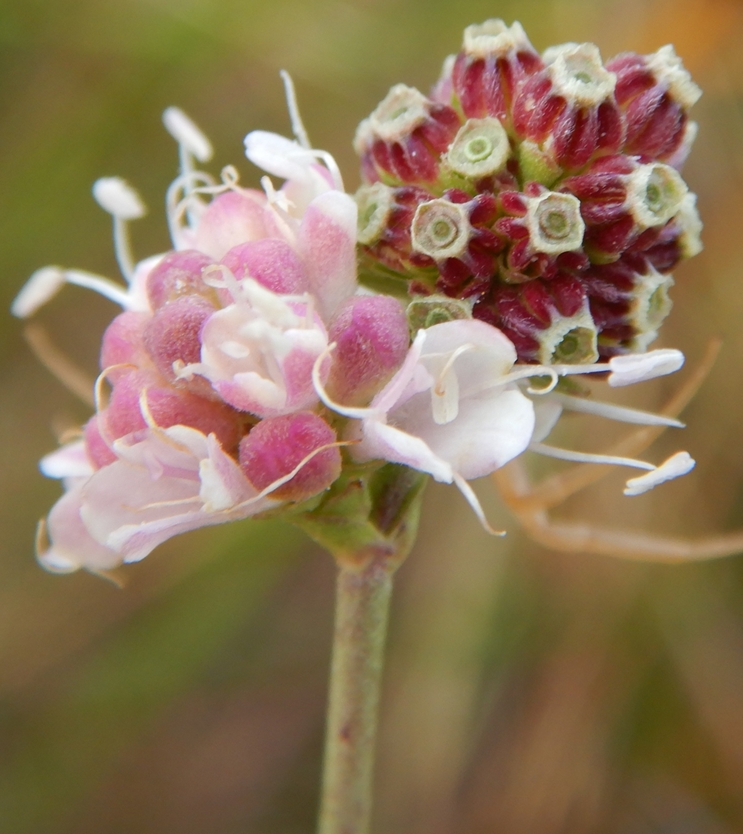
Pollination syndromes describe convergent floral traits linked to specific pollinator groups. While conceptually useful, the application of this framework to diverse insect assemblages, such as Diptera, remains challenging due to their functional heterogeneity. Recent studies have therefore proposed narrowing dipteran pollination into more precise syndromes. In this context, preliminary field observations of flower visitors to Succisella microcephala suggest a potential case of specialisation towards tachinid flies. Despite its generalist-like floral morphology, S. microcephala exhibits geographic variation in corolla colour and contrasting pigmentation between the corolla tube and lobes. Field observations revealed that populations with darker, more contrasting, flowers were predominantly visited by tachinid flies, which were particularly abundant at higher elevation sites, where Deschampsia cespitosa, an important food plant for moth larvae – the main larval hosts of tachinids – was also abundant. These observations suggest a potential adaptive relationship between floral pigmentation and tachinid attraction. Comparative evidence from other European taxa (e.g., Neotinea ustulata) further supports the hypothesis of shared, visually mediated traits favouring tachinid attraction and pollination. Additionally, the proximity between flowering and fruiting structures, and the striking resemblance between the dark red immature diaspores of S. microcephala and the similarly pigmented globular floral structures in plants associated with tachinid pollination, raise the novel possibility of diaspore-mediated pollinator attraction. Here, we suggest that dark colour structures may be associated with tachinid pollination and tachinid flies may act as potential drivers of an as-yet undescribed pollination syndrome. Succisella microcephala represents a promising system to investigate the potential convergence of floral and diaspore traits under pollinator-driven selection and tachinid sensory ecology.
References
Abrahamczyk S, Struck JH, Weigend M (2023) Pollination mode and reproductive system of Sanguisorba minor and Sanguisorba officinalis. Plant Species Biology 38(4): 171–179.
Armbruster WS (2017) The specialization continuum in pollination systems: diversity of concepts and implications for ecology, evolution and conservation. Functional Ecology 31(1): 88–100.
Bunse M, Lorenz P, Stintzing FC, Kammerer DR (2020) Characterization of Secondary Metabolites in Flowers of Sanguisorba officinalis l. by HPLC‐DAD‐MSn and GC/MS. Chemistry & Biodiversity 17(4): e1900724.
Claessens J, Kleynen J (2016) Orchidées d’Europe: Fleur et Pollinisation. Biotope Editions, Mèze, 1–448.
Dellinger AS (2020) Pollination syndromes in the 21st century: where do we stand and where may we go? New Phytologist 228(4): 1193–1213.
Fægri K, van der Pijl L (1979) Principles of pollination ecology, 3rd edition. Pergamon, Oxford, 1–244.
Franzén M, Larsson M (2009) Seed set differs in relation to pollen and nectar foraging flower visitors in an insect‐pollinated herb. Nordic Journal of Botany 27(4): 274–283.
Franzén M, Stenmark M (2024) Exploring Biodiversity through the Lens of Knautia arvensis Pollinators: Knautia Pollinator Walks as a Monitoring Method. Insects 15(8): 563.
Fura I, Covelo F, Sales F, Farminhão J (2025) Disentangling the taxonomy of Succisella (Caprifoliaceae, Dipsacoideae) in the Iberian Peninsula: an updated synopsis and conservation priorities. Phytotaxa 690(2): 189–211.
Gaskett AC (2011) Orchid pollination by sexual deception: pollinator perspectives. Biological Reviews 86(1): 33–75.
Goldblatt P, Manning JC (2000) The long-proboscid fly pollination system in southern Africa. Annals of the Missouri Botanical Garden 87(2): 146–170.
Gómez JM, Perfectti F, Lorite J (2015a) The role of pollinators in floral diversification in a clade of generalist flowers. Evolution, 69(4): 863–878.
Gómez, JM, Perfectti F, Abdelaziz M, Lorite J, Muñoz‐Pajares AJ, Valverde J (2015b) Evolution of pollination niches in a generalist plant clade. New Phytologist 205(1): 440–453.
Hunneman H (2003) Pollination ecology of Succisa pratensis: a comparison between populations differing in size and flower diversity. MSc Thesis, University of Groningen, Faculty of Science and Engineering, The Netherlands. https://fse.studenttheses.ub.rug.nl/9673/
Johnson SD, Jürgens A (2010) Convergent evolution of carrion and faecal scent mimicry in fly-pollinated angiosperm flowers and a stinkhorn fungus. South African Journal of Botany 76(4): 796–807.
Kazilas C, Demetriou J, Kalaentzis K (2020) Filling the gaps in the distribution of an alien species: The case of the feather-legged fly Trichopoda pennipes (Diptera: Tachinidae) in the Western Palearctic. Entomologia Hellenica 29(1): 8–16.
Kearns CA (1992) Anthophilous fly distribution across an elevation gradient. American Midland Naturalist 127(1): 172–182. https://www.jstor.org/stable/2426332
Kugler H (1955) Zum Problem der Dipterenblumen. Österreichische Botanische Zeitschrift 102: 529–541.
Martel C, Cairampoma L, Stauffer FW, Ayasse M (2016) Telipogon peruvianus (Orchidaceae) flowers elicit pre-mating behaviour in Eudejeania (Tachinidae) males for pollination. PLoS One 11(11): e0165896.
Martel C, Francke W, Ayasse M (2019) The chemical and visual bases of the pollination of the Neotropical sexually deceptive orchid Telipogon peruvianus. New Phytologist 223(4): 1989–2001.
Martel C, Rakosy D, Dötterl S, Johnson SD, Ayasse M, Paulus HF, Nilsson, LA, Mejlon H, Jersáková, J (2021) Specialization for tachinid fly pollination in the phenologically divergent varieties of the orchid Neotinea ustulata. Frontiers in Ecology and Evolution 9: 659176.
Martel C, Rakosy D, Romero PE, Jersáková J, Ayasse M (2023) The evolution of tachinid pollination in Neotinea ustulata is related to floral cuticular composition and the combined high relative production of (Z)‐11‐C23/C25enes. Journal of Systematics and Evolution 61(3): 487–497.
Mayer V (2016) Dipsacaceae (inclusive Triplostegia). In: Kadereit J, Bittrich V (Eds) Flowering Plants. Eudicots. The Families and Genera of Vascular Plants, 14. Springer, Cham, 145–163.
Mochizuki K, Okamoto T, Chen KH, Wang CN, Evans M, Kramer AT, Kawakita A (2023) Adaptation to pollination by fungus gnats underlies the evolution of pollination syndrome in the genus Euonymus. Annals of Botany, 132(2): 319–333.
Müller H (1873) Die Befruchtung der Blumen durch Insekten und die gegenseitige Anpassung beider. Wilhelm Engelmann, Leipzig, 1–478.
Nihei SS, Schwarz EDA (2011) On the first tachinid fly (Diptera, Tachinidae) carrying Asclepiadoideae pollinaria in the Neotropical Region. Revista Brasileira de Entomologia 55: 441–444.
Ollerton J, Coulthard E, Tarrant S, Woolford J, Jorge LR, Rech AR (2024) Butterflies, bumblebees and hoverflies are equally effective pollinators of Knautia arvensis (Caprifoliaceae), a generalist plant species with compound inflorescences. Journal of Applied Entomology, 149(5): 685-696.
Paulus HF (2022) Pollination biology of two phenological forms of Neotinea ustulata (Orchidaceae) in Austria, with field experiments to clarify the biological significance of the plants’ “burnt tips”. Acta ZooBot Austria 158: 149–175. https://www.zobodat.at/pdf/VZBG_158_0149-0175.pdf
Renoult JP, Valido A, Jordano P, Schaefer HM (2014) Adaptation of flower and fruit colours to multiple, distinct mutualists. New Phytologist 201(2): 678–686.
Robinson GS, Ackery PR, Kitching I, Beccaloni GW, Hernández LM (2023) HOSTS - a Database of the World's Lepidopteran Hostplants [Data set]. Natural History Museum.
Štenc J, Janošík L, Matoušková E, Hadrava J, Mikát M, Janovský Z (2023) Pollinator visitation closely tracks diurnal patterns in pollen release. American Journal of Botany 110(6): e16179.
Stireman III JO, Cerretti P, O'Hara JE, Blaschke JD, Moulton JK (2019) Molecular phylogeny and evolution of world Tachinidae (Diptera). Molecular phylogenetics and evolution 139: 106358.
Thompson JN (1994) The coevolutionary process. University of Chicago Press, 1–376.
Tschorsnig HP (2017) Preliminary host catalogue of Palaearctic Tachinidae (Diptera). https://www.uoguelph.ca/nadsfly/Tach/WorldTachs/CatPalHosts/Home.html [accessed 25.05.2025]
Varga S, Soulsbury CD, John EA (2022) Biological flora of Britain and Ireland: Knautia arvensis. Journal of Ecology 110(8): 1970–1992.
Waser N M, Chittka L, Price MV, Williams NM, Ollerton J (1996) Generalization in pollination systems, and why it matters. Ecology 77(4): 1043–1060.
Woodcock TS, Larson BM, Kevan PG, Inouye DW, Lunau K (2014) Flies and flowers II: floral attractants and rewards. Journal of Pollination Ecology 12: 63–94.
Abrahamczyk S, Struck JH, Weigend M (2023) Pollination mode and reproductive system of Sanguisorba minor and Sanguisorba officinalis. Plant Species Biology 38(4): 171–179.
Armbruster WS (2017) The specialization continuum in pollination systems: diversity of concepts and implications for ecology, evolution and conservation. Functional Ecology 31(1): 88–100.
Bunse M, Lorenz P, Stintzing FC, Kammerer DR (2020) Characterization of Secondary Metabolites in Flowers of Sanguisorba officinalis l. by HPLC‐DAD‐MSn and GC/MS. Chemistry & Biodiversity 17(4): e1900724.
Claessens J, Kleynen J (2016) Orchidées d’Europe: Fleur et Pollinisation. Biotope Editions, Mèze, 1–448.
Dellinger AS (2020) Pollination syndromes in the 21st century: where do we stand and where may we go? New Phytologist 228(4): 1193–1213.
Fægri K, van der Pijl L (1979) Principles of pollination ecology, 3rd edition. Pergamon, Oxford, 1–244.
Franzén M, Larsson M (2009) Seed set differs in relation to pollen and nectar foraging flower visitors in an insect‐pollinated herb. Nordic Journal of Botany 27(4): 274–283.
Franzén M, Stenmark M (2024) Exploring Biodiversity through the Lens of Knautia arvensis Pollinators: Knautia Pollinator Walks as a Monitoring Method. Insects 15(8): 563.
Fura I, Covelo F, Sales F, Farminhão J (2025) Disentangling the taxonomy of Succisella (Caprifoliaceae, Dipsacoideae) in the Iberian Peninsula: an updated synopsis and conservation priorities. Phytotaxa 690(2): 189–211.
Gaskett AC (2011) Orchid pollination by sexual deception: pollinator perspectives. Biological Reviews 86(1): 33–75.
Goldblatt P, Manning JC (2000) The long-proboscid fly pollination system in southern Africa. Annals of the Missouri Botanical Garden 87(2): 146–170.
Gómez JM, Perfectti F, Lorite J (2015a) The role of pollinators in floral diversification in a clade of generalist flowers. Evolution, 69(4): 863–878.
Gómez, JM, Perfectti F, Abdelaziz M, Lorite J, Muñoz‐Pajares AJ, Valverde J (2015b) Evolution of pollination niches in a generalist plant clade. New Phytologist 205(1): 440–453.
Hunneman H (2003) Pollination ecology of Succisa pratensis: a comparison between populations differing in size and flower diversity. MSc Thesis, University of Groningen, Faculty of Science and Engineering, The Netherlands. Available somewhere?
Johnson SD, Jürgens A (2010) Convergent evolution of carrion and faecal scent mimicry in fly-pollinated angiosperm flowers and a stinkhorn fungus. South African Journal of Botany 76(4): 796–807.
Kazilas C, Demetriou J, Kalaentzis K (2020) Filling the gaps in the distribution of an alien species: The case of the feather-legged fly Trichopoda pennipes (Diptera: Tachinidae) in the Western Palearctic. Entomologia Hellenica 29(1): 8–16.
Kearns CA (1992) Anthophilous fly distribution across an elevation gradient. American Midland Naturalist 127(1): 172–182. https://www.jstor.org/stable/2426332
Kugler H (1955) Zum Problem der Dipterenblumen. Österreichische Botanische Zeitschrift 102: 529–541.
Martel C, Cairampoma L, Stauffer FW, Ayasse M (2016) Telipogon peruvianus (Orchidaceae) flowers elicit pre-mating behaviour in Eudejeania (Tachinidae) males for pollination. PLoS One 11(11): e0165896.
Martel C, Francke W, Ayasse M (2019) The chemical and visual bases of the pollination of the Neotropical sexually deceptive orchid Telipogon peruvianus. New Phytologist 223(4): 1989–2001.
Martel C, Rakosy D, Dötterl S, Johnson SD, Ayasse M, Paulus HF, Nilsson, LA, Mejlon H, Jersáková, J (2021) Specialization for tachinid fly pollination in the phenologically divergent varieties of the orchid Neotinea ustulata. Frontiers in Ecology and Evolution 9: 659176.
Martel C, Rakosy D, Romero PE, Jersáková J, Ayasse M (2023) The evolution of tachinid pollination in Neotinea ustulata is related to floral cuticular composition and the combined high relative production of (Z)‐11‐C23/C25enes. Journal of Systematics and Evolution 61(3): 487–497.
Mayer V (2016) Dipsacaceae (inclusive Triplostegia). In: Kadereit J, Bittrich V (Eds) Flowering Plants. Eudicots. The Families and Genera of Vascular Plants, 14. Springer, Cham, 145–163.
Mochizuki K, Okamoto T, Chen KH, Wang CN, Evans M, Kramer AT, Kawakita A (2023) Adaptation to pollination by fungus gnats underlies the evolution of pollination syndrome in the genus Euonymus. Annals of Botany, 132(2): 319–333.
Müller H (1873) Die Befruchtung der Blumen durch Insekten und die gegenseitige Anpassung beider. Wilhelm Engelmann, Leipzig, 1–478.
Nihei SS, Schwarz EDA (2011) On the first tachinid fly (Diptera, Tachinidae) carrying Asclepiadoideae pollinaria in the Neotropical Region. Revista Brasileira de Entomologia 55: 441–444.
Ollerton J, Coulthard E, Tarrant S, Woolford J, Jorge LR, Rech AR (2025) Butterflies, bumblebees and hoverflies are equally effective pollinators of Knautia arvensis (Caprifoliaceae), a generalist plant species with compound inflorescences. Journal of Applied Entomology, 149(5): 685-696.
Paulus HF (2022) Pollination biology of two phenological forms of Neotinea ustulata (Orchidaceae) in Austria, with field experiments to clarify the biological significance of the plants’ “burnt tips”. Acta ZooBot Austria 158: 149–175. https://www.zobodat.at/pdf/VZBG_158_0149-0175.pdf
Renoult JP, Valido A, Jordano P, Schaefer HM (2014) Adaptation of flower and fruit colours to multiple, distinct mutualists. New Phytologist 201(2): 678–686.
Robinson GS, Ackery PR, Kitching I, Beccaloni GW, Hernández LM (2023) HOSTS - a Database of the World's Lepidopteran Hostplants [Data set]. Natural History Museum.
Štenc J, Janošík L, Matoušková E, Hadrava J, Mikát M, Janovský Z (2023) Pollinator visitation closely tracks diurnal patterns in pollen release. American Journal of Botany 110(6): e16179.
Stireman III JO, Cerretti P, O'Hara JE, Blaschke JD, Moulton JK (2019) Molecular phylogeny and evolution of world Tachinidae (Diptera). Molecular phylogenetics and evolution 139: 106358.
Thompson JN (1994) The coevolutionary process. University of Chicago Press, 1–376.
Tschorsnig HP (2017) Preliminary host catalogue of Palaearctic Tachinidae (Diptera). https://www.uoguelph.ca/nadsfly/Tach/WorldTachs/CatPalHosts/Home.html [accessed 25.05.2025]
Varga S, Soulsbury CD, John EA (2022) Biological flora of Britain and Ireland: Knautia arvensis. Journal of Ecology 110(8): 1970–1992.
Waser N M, Chittka L, Price MV, Williams NM, Ollerton J (1996) Generalization in pollination systems, and why it matters. Ecology 77(4): 1043–1060.
Woodcock TS, Larson BM, Kevan PG, Inouye DW, Lunau K (2014) Flies and flowers II: floral attractants and rewards. Journal of Pollination Ecology 12: 63–94.
Downloads
Published
How to Cite
Issue
Section
License
Copyright (c) 2025 João Farminhão, Sílvia Castro

This work is licensed under a Creative Commons Attribution 4.0 International License.